


Wild-harvested plants carry a richer, place-shaped energetic imprint than their cultivated counterparts, making them uniquely potent for ritual, spagyric alchemy, and plant-spirit work. Three reasons underpin this claim:
- Habitat-formed vibrational profile. A plant shaped by wind, mineral-rich soil, and seasonal extremes develops a complex aromatic and energetic signature that no greenhouse can replicate.
- Stress-driven secondary metabolite complexity. Survival pressures push wild plants to produce denser terpene and resin profiles, which alchemists and practitioners interpret as heightened virtue and potency.
- Relational and intentional harvesting. Ritual botanical use guided by consent, offering, and reciprocity transforms the harvest from extraction into a covenant, deepening the plant’s energetic availability.
Kejiwa Alchemy’s spagyric tinctures, Ormus minerals, and botanical Alche-Mists are built on exactly these principles, using biodynamic and wild-harvested materials processed with intentional craftsmanship.
Table of Contents
- What does “energy” actually mean in spiritual herbalism?
- When and what to harvest for maximum ritual potency
- Which preparations best preserve wild plant energy?
- How do you verify a genuinely wild-harvested botanical vendor?
- Key Takeaways
- What practitioners often get wrong about wild plant potency
- Kejiwa Alchemy’s wild-harvested offerings for your practice
- Useful sources and next steps
What does “energy” actually mean in spiritual herbalism?
In energetic herbalism, “energy” does not refer to calories, photosynthesis, or nutritional density. It refers to a plant’s energetic imprint: the place-shaped vibrational signature expressed through its plant spirit, scent profile, and lived ecology. Think of it as the accumulated memory of every microclimate, soil mineral, and seasonal stress the plant has weathered.
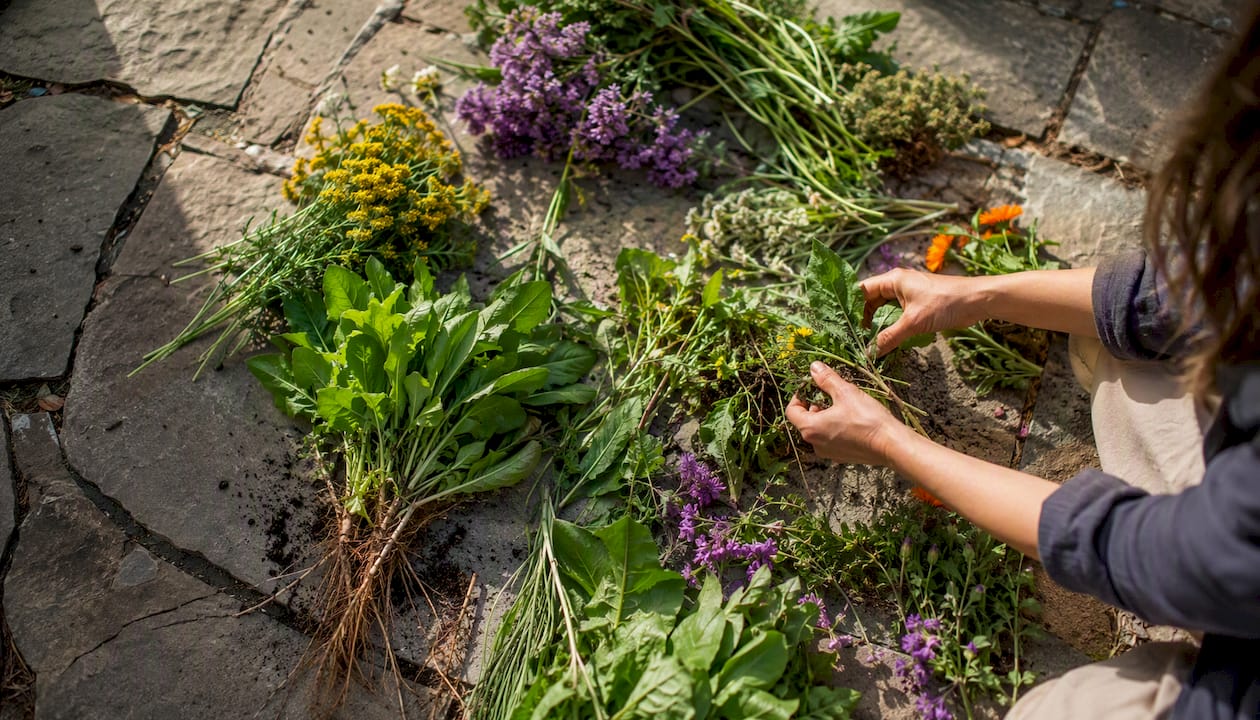
Ritual herbs are defined by energetic and sensory use; preparation method and intention shape how they work in a ceremonial context, not their caloric content. This guide operates entirely within that frame.
What this guide covers:
- Vibrational and relational qualities of wild plants for ritual and alchemy
- Spagyric and distillation-based preparations that preserve energetic integrity
- Ethical wildcrafting practices and U.S. legal considerations
What this guide does not cover:
- Biochemical energy, photosynthetic efficiency, or nutritional comparison
- Clinical or pharmacological herb research
Pro Tip: When sourcing from vendors, use the phrase “wild-harvested” rather than “organic.” Organic certification applies to cultivated crops; wild-harvested signals place-based, uncultivated origin, which is what energetic and alchemical work requires.
When and what to harvest for maximum ritual potency
Timing and plant part matter as much as location. Roots harvested in autumn, when the plant draws its energy downward, carry deep, grounding signatures suited to shadow work and new-moon ceremonies. Flowers gathered at peak bloom under a full moon hold solar, expansive energy aligned with manifestation and opening work. Traditional frameworks pair harvest timing with lunar and seasonal cycles, treating this alignment as a direct influence on ritual potency.
Sustainable harvest checklist:
- [ ] Harvest only a small portion of any single plant population in a given area
- [ ] Confirm the species is not on the U.S. Fish and Wildlife Service threatened or endangered list before harvesting
- [ ] Check whether you are on public land requiring a permit (National Forest, BLM land) or private land requiring owner permission
- [ ] Avoid harvesting near roadsides, agricultural runoff zones, or areas with known pesticide use
- [ ] Note the harvest date, location, and lunar phase in a field journal for traceability
Pro Tip: The U.S. Forest Service issues free personal-use permits for small quantities of many botanicals on National Forest land. Call the local ranger district before your first harvest of the season.
Ethical wild-harvesting practices, including asking permission, taking small amounts, and observing seasonal timing, are foundational to sustaining plant populations and energetic integrity. Field schools emphasize that wildcrafting is stewardship, not extraction, and that this ethical stance is itself material to potency.
Which preparations best preserve wild plant energy?
Spagyric tincturing and mindful distillation preserve higher energetic integrity than industrial extraction. The spagyric process, rooted in Paracelsian alchemy, works with all three principles of a plant: sulfur (essential oil/spirit), mercury (alcohol/soul), and salt (mineral body). Reuniting these after separation is what distinguishes a spagyric tincture from a standard alcohol extract.
Spagyric tincture basics:
- Macerate fresh or dried wild plant material in food-grade alcohol (at least 60% ABV) for 4–6 weeks in a sealed glass vessel, away from direct light.
- Press and filter the tincture. Retain the plant marc.
- Calcine the marc (burn to ash) and dissolve the ash in distilled water to extract mineral salts.
- Filter the salt solution and slowly reintegrate it into the tincture.
- Store in dark glass, away from electromagnetic fields, and activate with intention before use.
Other potency-preserving preparations:
- Aromatic distillation. Steam distillation of wild aromatic herbs captures the volatile terpene signature most directly. Use copper or glass stills; avoid aluminum.
- Smoke and smudging. Dry wild herbs slowly at low heat to preserve aromatic complexity. Bundle loosely for even burn. Sacred smudging with aromatic resins prepares the nervous system and energetic field before ceremony.
- Alche-Mist elixirs. Botanical aromatherapy sprays that combine distilled plant waters, essential oils, and intentional activation work well as space-clearing and energetic-priming tools.
Small batches preserve energetic nuance. A 50ml preparation made with focused intention holds more coherent energetic architecture than a liter batch processed without ceremony. Store all preparations in dark glass, never plastic, and away from direct sunlight.
How do you verify a genuinely wild-harvested botanical vendor?
Prioritize traceability, harvest notes, and transparent production methods. A vendor who cannot tell you where, when, and how a plant was harvested is selling you a story, not a plant.
Buyer’s checklist — questions to ask before purchasing:
- Where exactly was this plant harvested? (Region, habitat type, elevation)
- What was the harvest date and lunar phase?
- Who harvested it, and what is their wildcrafting background?
- How was it dried and stored post-harvest?
- Is the species confirmed non-endangered in that region?
- Was any land permission or permit obtained?
- Is the production method spagyric, distilled, or standard extraction?
- Are batch sizes small enough to reflect genuine wild-harvest limits?
Kejiwa Alchemy’s spagyric herbal tinctures, Ormus minerals, and botanical aromatics are crafted with sourcing transparency and intentional small-batch methods that align with these standards. Kejiwa’s practitioner resources also support relational sourcing and preparation for higher energetic outcomes.
Key Takeaways
Wild plants hold a richer, place-derived energetic imprint than cultivated plants, making them the preferred material for spagyric alchemy, ritual herbalism, and plant-spirit work.
| Point | Details |
|---|---|
| Energetic imprint defined | “Energy” in this context means vibrational, relational, and place-shaped qualities, not calories or nutrients. |
| Habitat and stress drive potency | Diverse soil, genetic heterogeneity, and survival stressors produce the complex terpene and resin profiles alchemists call virtue. |
| Timing and part selection matter | Roots in autumn/new moon for grounding work; flowers at peak bloom/full moon for manifestation and opening ceremonies. |
| Ethical harvest sustains potency | Harvest only a small portion of any local population; confirm species status and land permissions before harvesting. |
| Kejiwastore for ready-made preparations | Kejiwa Alchemy’s spagyric tinctures, Ormus minerals, and botanical Alche-Mists offer intentionally wild-harvested, small-batch alchemical offerings. |
What practitioners often get wrong about wild plant potency
The most common mistake is treating wild-harvested plants as a category rather than a relationship. Practitioners spend considerable time sourcing the “right” plant, then process it with the same hurried, distracted energy they would bring to a grocery run. The plant’s vibrational signature does not survive that kind of handling intact.
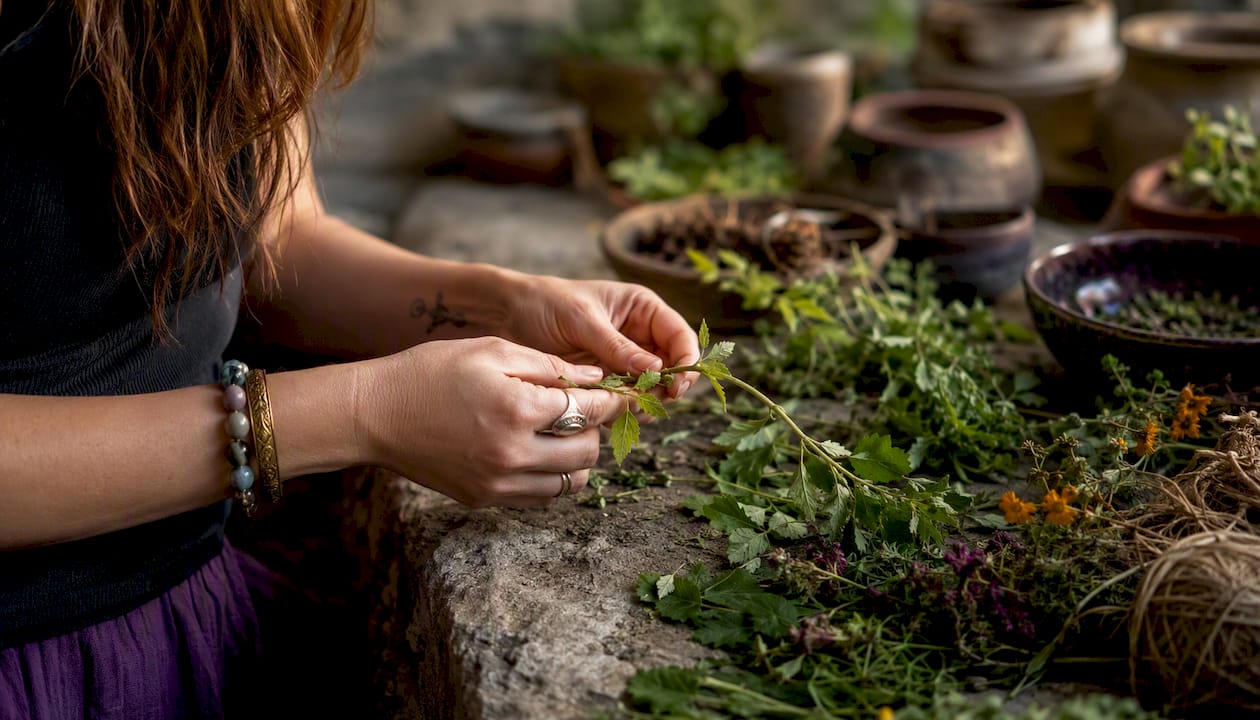
The second overlooked nuance: not all wild plants are more potent than all cultivated ones. A biodynamically grown rose harvested at peak bloom with full ceremonial attention can carry more coherent energetic architecture than a wild plant pulled carelessly from a roadside. What actually matters is the quality of attention and relationship brought to every stage, from soil to vessel to ceremony.
This is why Kejiwa Alchemy’s approach centers intentional craftsmanship alongside wild-harvest sourcing. The two are inseparable. You can read more about how prayer and intention shape herbal crafting in Kejiwa’s practitioner guides.
Kejiwa Alchemy’s wild-harvested offerings for your practice
If you want ready-made, intentionally crafted alchemical preparations without sourcing, processing, and calcining your own material, Kejiwa Alchemy’s small-batch offerings are built for exactly this work.

- Ormus Minerals — Monoatomic mineral preparations that support cellular coherence and biofield receptivity, often used before ceremony or deep meditation.
- Spagyric Herbal Tinctures — Full-spectrum preparations that reunite sulfur, mercury, and salt, preserving the complete virtue of wild and organic plant material.
- Botanical Alche-Mists — Aromatic elixir sprays for space clearing, energetic priming, and sensory entrainment before ritual work.
Each product is made in small batches with sourcing transparency and intentional craftsmanship. Browse the full collection at Kejiwastore and find the preparation that matches your current practice.
Useful sources and next steps
These resources expand your methods and support sourcing verification across wildcrafting, alchemy, and plant-spirit practice.
- Why Organically Grown, Wildcrafted, and Biodynamic Plants Yield Superior Alchemical Materials - Operative Alchemy: Essential Oils for Transmutation and Healing | BrightLearn.AI
- Wild Harvesting with Integrity: Respectful and Sustainable Harvesting Practices – The Northwest School of Aromatic Medicine
- Apothecary Ritual Herbs: Sacred Practices & Herbal Ritual Guide – Sacred Plant Co
- Higher Consciousness: Awakening to Expanded Awareness
- The Witchcraft of Plant Spirit Work
- Ritual Botanical Use: A Guide for Spiritual Seekers – Kejiwa Alchemy
Two actionable next steps:
- Start a field journal. Record harvest location, date, lunar phase, and your felt sense of each plant encounter. Over time, patterns in potency and energetic quality will become visible.
- Try one small-batch spagyric preparation using a locally wild-harvested herb you can positively identify. The process itself, from harvest to calcination to reunion, is the practice.