


Spiritual nervous system healing is defined as the practice of tending to somatic sensations anchored in spiritual life to restore bodily safety and enable deeper presence. Known in clinical somatic circles as faith-centered somatic healing, this approach addresses a core problem: chronic nervous system dysregulation manifests as sleep issues, muscle tension, and emotional numbness. When your body stays locked in stress, spiritual practices feel like striving rather than receiving. The vagus nerve, the parasympathetic nervous system, and somatic awareness form the physiological backbone of this work. Understanding how these systems interact is the first step toward genuine, embodied healing.
How does the nervous system influence spiritual experiences?
Your nervous system runs two primary operating modes. The sympathetic state activates your fight-or-flight response, flooding the body with cortisol and narrowing your perceptual field. The parasympathetic state, governed largely by the vagus nerve, signals safety and opens the body to rest, connection, and receptivity.
The vagus nerve carries 75% of parasympathetic fibers, making it the single most influential pathway for shifting from stress to recovery. That shift matters enormously for spiritual life. When vagal tone is low, the body cannot settle, and prayer, meditation, or contemplative practice feels effortful or even destabilizing.
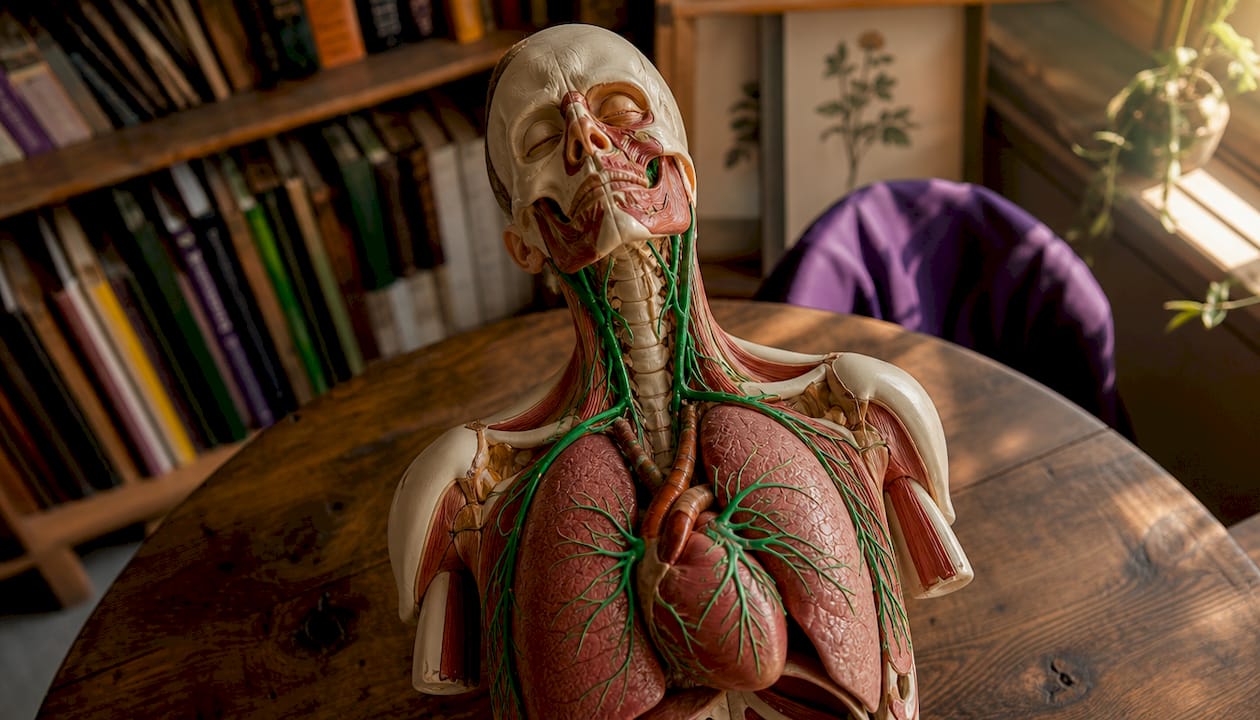
Heart rate variability, or HRV, measures vagal tone and serves as a reliable indicator of nervous system resilience. High HRV signals that your autonomic system can flex between states smoothly. Low HRV signals rigidity, which shows up as anxiety, reactivity, and difficulty accessing inner stillness.
Autonomic flexibility, the capacity to shift between nervous system states as situations require, defines true nervous system health. Think of it like an orchestra: health is not one sustained note but the ability to move fluidly between them. Spiritual experiences require that same fluidity.
Pro Tip: Track your resting HRV for two weeks using a wearable device. A rising trend, even by a few points, signals that your nervous system is gaining the flexibility needed for deeper spiritual work.
| Nervous system state | Physical effect | Spiritual effect |
|---|---|---|
| Sympathetic (activated) | Elevated cortisol, muscle tension | Difficulty with presence, spiritual striving |
| Parasympathetic (regulated) | Lower heart rate, relaxed muscles | Openness, receptivity, inner stillness |
| High HRV (flexible) | Adaptive stress response | Easier access to intuition and peace |
| Low HRV (rigid) | Anxiety, poor sleep | Dissociation during meditation |
What are common spiritual healing techniques for nervous system regulation?
Spiritual healing techniques that support nervous system balance work from the body upward. This bottom-up approach, working with body sensations and vagal tone first, is often necessary before top-down contemplative practices can be fully effective. You cannot think your way into a regulated nervous system. You have to feel your way there.
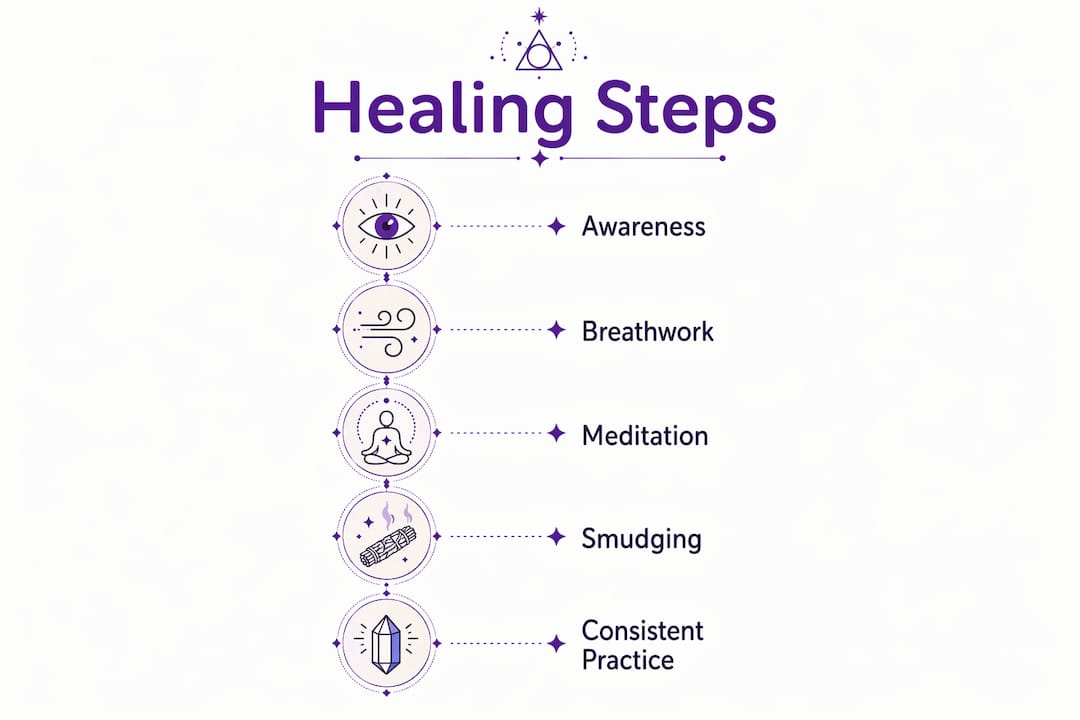
Simple daily practices like slow breathing, mindful movement, and time in nature recalibrate the nervous system without sedation or aggressive methods. These require only minutes per day. Consistency matters far more than intensity.
Here are the core spiritual healing techniques that practitioners use most reliably:
- Slow diaphragmatic breathing. Extending the exhale activates the vagus nerve directly. A 4-count inhale followed by a 6-count exhale is a practical starting point.
- Grounding practices. Standing barefoot on soil or grass, or pressing your feet firmly into the floor during seated prayer, anchors awareness in the body and signals safety to the nervous system.
- Mindful movement. Gentle yoga, tai chi, or even slow walking with deliberate attention to sensation shifts the body out of freeze or fight states.
- Nature exposure. Time outdoors, particularly in green or natural settings, measurably reduces cortisol and supports parasympathetic activation.
- Prayer and contemplative silence. Faith-centered somatic healing uses prayer not as a cognitive exercise but as an embodied practice, pairing intentional breath with spoken or silent invocation.
- Meditation with somatic anchoring. Placing a hand on the chest or belly during meditation gives the nervous system a physical reference point, reducing the risk of dissociation.
Meditation and spiritual practices are more effective when the nervous system is regulated and anchored in bodily safety. An unregulated nervous system can make meditation feel dissociative or destabilizing rather than peaceful. Pairing any spiritual practice with a somatic anchor, breath, touch, or movement, closes that gap.
You can also explore how smudging herbs fit into a grounding ritual. Aromatic plant medicine has long served as a sensory bridge between physical space and spiritual intention.
Pro Tip: Choose one technique from the list above and practice it at the same time each day for 21 days before adding another. Stacking too many practices too quickly overwhelms the system you are trying to calm.
How to recognize signs of nervous system healing and spiritual progress?
Progress in spiritual nervous system healing is rarely dramatic. It arrives quietly, in the spaces between reactions. Knowing what to look for keeps you from dismissing real gains as insignificant.
Common signs of improved nervous system regulation include better sleep, emotional softness, and enhanced spiritual discernment. Physical symptoms ease as autonomic balance improves. These are not small things. They represent your body learning, at a cellular level, that the present moment is safe.
Watch for these markers as your practice deepens:
- Improved sleep quality. Falling asleep more easily and waking less frequently signals that your parasympathetic system is engaging during rest.
- Softer emotional reactions. You notice a pause between trigger and response. That pause is autonomic flexibility in action.
- Reduced baseline anxiety. The background hum of worry quiets. This reflects lower sympathetic tone throughout the day.
- Increased body awareness. You begin noticing subtle sensations, warmth, expansion, or ease, rather than only pain or tension.
- Easier access to intuition. Nervous system regulation gradually restores the body’s sense of safety, making spiritual life feel less like striving and more relational. Intuition flows more naturally when the body is not in survival mode.
- Moments of genuine inner peace. Not forced calm, but spontaneous stillness that arises without effort.
A common pitfall is expecting linear progress. The nervous system heals in waves. You may feel more regulated for a week, then hit a period of heightened sensitivity. That sensitivity often signals that the system is processing old stress patterns, not regressing. Understanding what happens in your body during deep meditation can help you interpret these shifts with less fear and more curiosity.
Pro Tip: Keep a brief daily log, three sentences maximum, noting one physical sensation, one emotional quality, and one spiritual observation. Patterns emerge over weeks that are invisible day to day.
Practical steps to begin spiritual nervous system healing at home
Starting this work at home does not require special equipment or formal training. What it requires is patience, repetition, and a willingness to treat your body as a partner rather than an obstacle.
Healing the nervous system is a cumulative process involving consistent, gentle input rather than quick resets. Reducing systemic stress and retraining autonomic responses takes time. The body responds to what you do repeatedly, not to what you do intensely once.
Here is a practical daily structure to begin:
- Morning breath awareness (5 minutes). Before reaching for your phone, place one hand on your belly and take ten slow breaths. This sets parasympathetic tone for the first hour of your day.
- Midday grounding check-in (2 minutes). Pause, press your feet into the floor, and name three things you can physically feel. This interrupts sympathetic drift before it compounds.
- Gentle movement (10–20 minutes). A slow walk, gentle stretching, or any movement done with sensory attention counts. Speed and intensity are not the goal.
- Evening spiritual ritual. Prayer, journaling, or mindful silence before bed signals to the nervous system that the day is complete. Pair this with a calming aromatic mist or herbal tincture to deepen the sensory cue.
- Nature time (as often as possible). Even ten minutes outdoors without a screen shifts autonomic tone in measurable ways.
Supportive tools can amplify these practices. Aromatherapy blends engage the olfactory system, which connects directly to the limbic brain and influences emotional regulation. Spagyric herbal tinctures offer plant-based support for nervous system calm, drawing on traditional herbalism to complement somatic practice. CBD has also shown promise in this space; research on hemp’s calming effects points to its role in reducing stress and supporting parasympathetic engagement.
Spiritual nervous system healing shifts focus from chasing peak spiritual experiences to cultivating steady presence and emotional stability. Safety before surrender. Regulation before revelation. That reframe alone changes how you approach every practice on this list.
Key Takeaways
Spiritual nervous system healing works by restoring bodily safety through consistent somatic and spiritual practices, making deeper presence, intuition, and inner peace genuinely accessible.
| Point | Details |
|---|---|
| Core definition | Spiritual nervous system healing integrates somatic awareness with spiritual grounding to restore safety and presence. |
| Vagus nerve is central | The vagus nerve carries 75% of parasympathetic fibers and is the primary pathway for shifting from stress to recovery. |
| Bottom-up approach first | Body-based practices must precede or accompany contemplative work for meditation to feel grounding rather than dissociative. |
| Progress is gradual | Healing is cumulative; signs include better sleep, softer reactions, and spontaneous inner stillness over weeks. |
| Consistency over intensity | Daily micro-practices of 5–20 minutes outperform occasional intensive sessions for long-term autonomic flexibility. |
What I’ve learned from years at the intersection of body and spirit
The most common mistake I see in spiritual communities is treating the nervous system as a side issue. People invest deeply in prayer, ceremony, and meditation, then wonder why they still feel depleted, reactive, or spiritually flat. The body is not separate from the spiritual path. It is the path.
What shifted my own understanding was recognizing that you cannot pour from an empty vessel, and a dysregulated nervous system is exactly that. When I began pairing breath-based somatic work with my existing spiritual practices, the practices themselves changed. Meditation stopped feeling like a performance and started feeling like a return.
The other thing worth saying plainly: healing is not linear, and it is not fast. I have watched people abandon genuinely effective practices after two weeks because they expected a reset, not a recalibration. The nervous system learned its current patterns over years. It needs consistent, gentle input over months to learn new ones.
Compassion for your own pace is not a soft suggestion. It is a physiological requirement. A body that feels judged or rushed stays in sympathetic activation. A body that feels met with patience begins to soften. That softening is where spiritual life opens up.
— Kejiwa
How Kejiwastore supports your nervous system and spiritual practice
Kejiwastore was built for exactly this kind of work. Every product in our collection is crafted to support the body’s natural capacity for regulation, presence, and energetic balance.

Our Ormus minerals are small-batch alchemical preparations designed to support deep meditation and cellular coherence, offering a mineral foundation for practitioners who want their inner work to go deeper. Our botanical aromatics engage the olfactory-limbic pathway directly, making them a natural companion for grounding rituals, evening wind-down, and somatic anchoring practices. Each formula is made with wild-harvested and organic botanicals, chosen for their resonance with nervous system calm and spiritual clarity. If you are building a daily practice, these tools are worth having close.
FAQ
What is spiritual nervous system healing?
Spiritual nervous system healing is the practice of using somatic awareness and spiritually grounded techniques to restore the body’s sense of safety and enable deeper presence. It integrates vagus nerve activation, breathwork, and faith-centered practices to recalibrate the autonomic nervous system.
How long does nervous system healing take?
Nervous system healing is a cumulative process that unfolds over weeks to months of consistent, gentle practice. There is no single reset; the body retrains its autonomic responses gradually through repeated, low-intensity input.
Can meditation make nervous system dysregulation worse?
Yes. An unregulated nervous system can make meditation feel dissociative or destabilizing rather than calming. Pairing meditation with a somatic anchor, such as breath awareness or physical touch, reduces this risk significantly.
What are the first signs that nervous system healing is working?
The earliest signs include improved sleep quality, softer emotional reactions, and a reduced baseline of anxiety. These physical shifts typically appear before more noticeable spiritual changes like enhanced intuition or inner peace.
Do I need a practitioner to begin spiritual nervous system healing?
Basic practices like slow breathing, grounding, and gentle movement are safe to begin independently at home. Working with a trained somatic or faith-centered practitioner becomes valuable when trauma or severe dysregulation is present.
Recommended
- How To Regulate Your Nervous System Naturally: Conscious Practices and – Kejiwa Alchemy
- Spiritual Integration: How to Embody Your Sacred Experiences for Lasti – Kejiwa Alchemy
- From Burnout to Breakthrough: The Alchemical Approach to Nervous Syste – Kejiwa Alchemy
- What Happens in Your Body During Deep Meditation | Science – Kejiwa Alchemy